
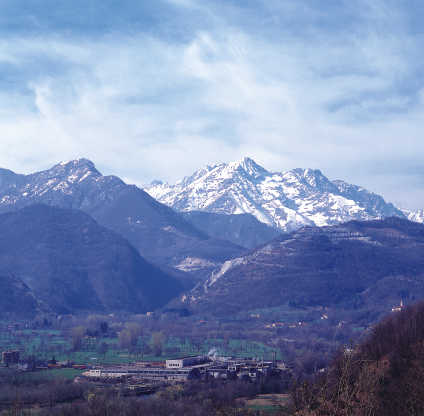
 The paper mill operates in compliance with its Integrated Environmental Permit (AIA), issued under the EU Industrial Emissions Directive, and with all environmental legislation applicable to the site, including the BAT conclusions for the pulp and paper industry.
Raw materials
- Over 80% of the cellulose fiber used in the plant is from recycled paper from waste collection and separation.
Water
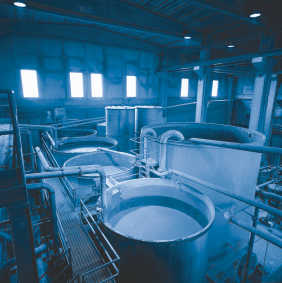
- Only 5% of production water is taken from the nearby river;
- The remaining 95% of the production water is treated and recycled from in the production process itself;
- The Pirinoli paper mill needs less than 10 litres of water per kilogram of produced cartonboard.
Sludge
- 100% of the sludge from the water purification plants (dyes, fibers, bio sludge, mineral fillers) are reused for production.
Atmospheric emissions
- Fuelled by natural gas, the high-efficiency cogeneration plant produces electricity and heat in a single process. For the same amount of energy produced, it uses less fuel than separate generation and therefore emits less CO2. Air emissions are monitored in accordance with the requirements of the AIA.
Energy
- The new high-efficiency cogeneration plant installed at Cartiera Pirinoli S.C. was designed under the Piedmont Region’s 2014-2020 ERDF Regional Operational Programme (POR FESR), and the project was co-financed by the European Regional Development Fund (ERDF), the Italian State and the Piedmont Region.
The new high-efficiency cogeneration plant, powered by natural gas, is based on a simple cycle technology gas turbine made by SOLAR TURBINES, model Taurus70, with an electrical power at the generator terminals of 7.359 kWe (t = 15 ° C ) and a recovery boiler. The plant produces electrical and thermal energy which covers the entire requirements of the mill’s production site; thanks to the application of the latest generation technologies, it allows a high recovery of the thermal energy of the fumes, avoiding their dispersion in the environment. The new cogeneration plant recovers heat from the exhaust gases and reuses it in the mill’s processes, reducing fuel consumption compared with the separate generation of electricity and heat. Air emissions and noise are subject to the limits and monitoring required by the plant’s permit.

